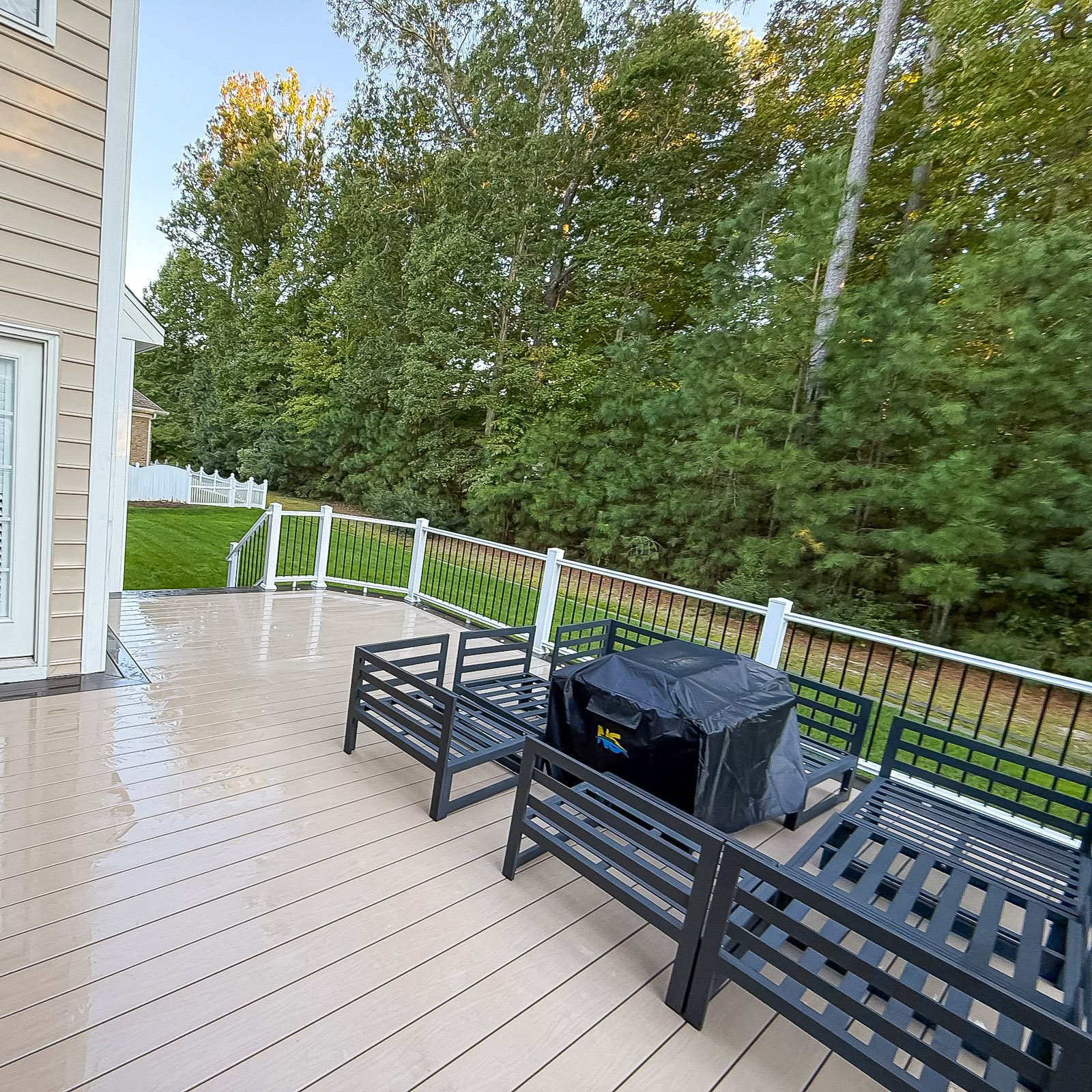
Low-maintenance decking with a clean finished look.
Explore composite deck ideas with low-maintenance boards, clean trim, railing options, stairs, and outdoor living layouts.







We discuss how you want to use the deck and what maintenance level you want.

We help compare board colors, brands, patterns, trim, stairs, and railings.

We review framing, fascia, fasteners, transitions, access, and railing layout.

Our team installs the deck with clean detailing and proper structure below the surface.
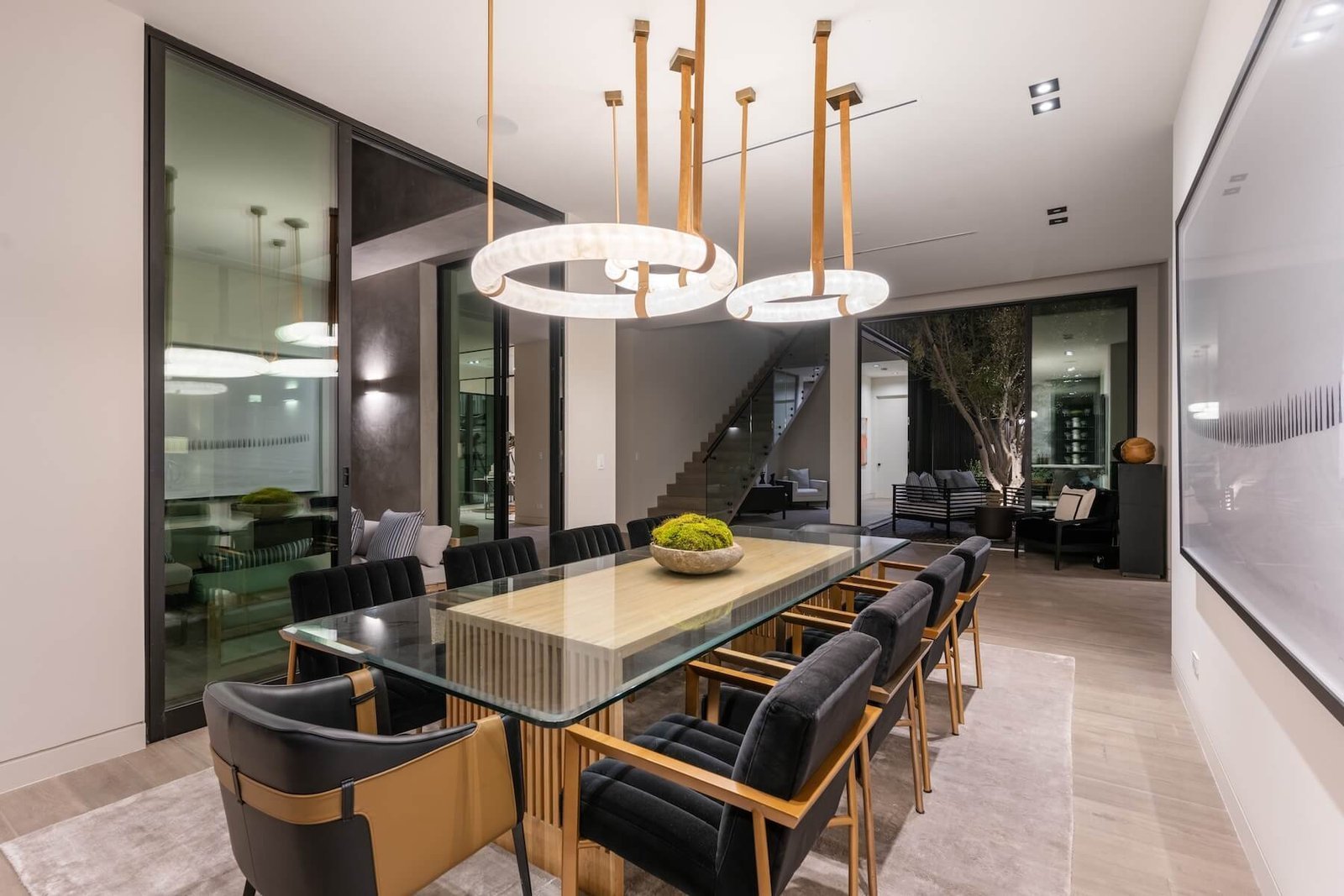
The Composite Deck Builder plan brings the framing, board layout, fastening, borders, stairs, railings, and trim together for a clean, low-maintenance finished deck.
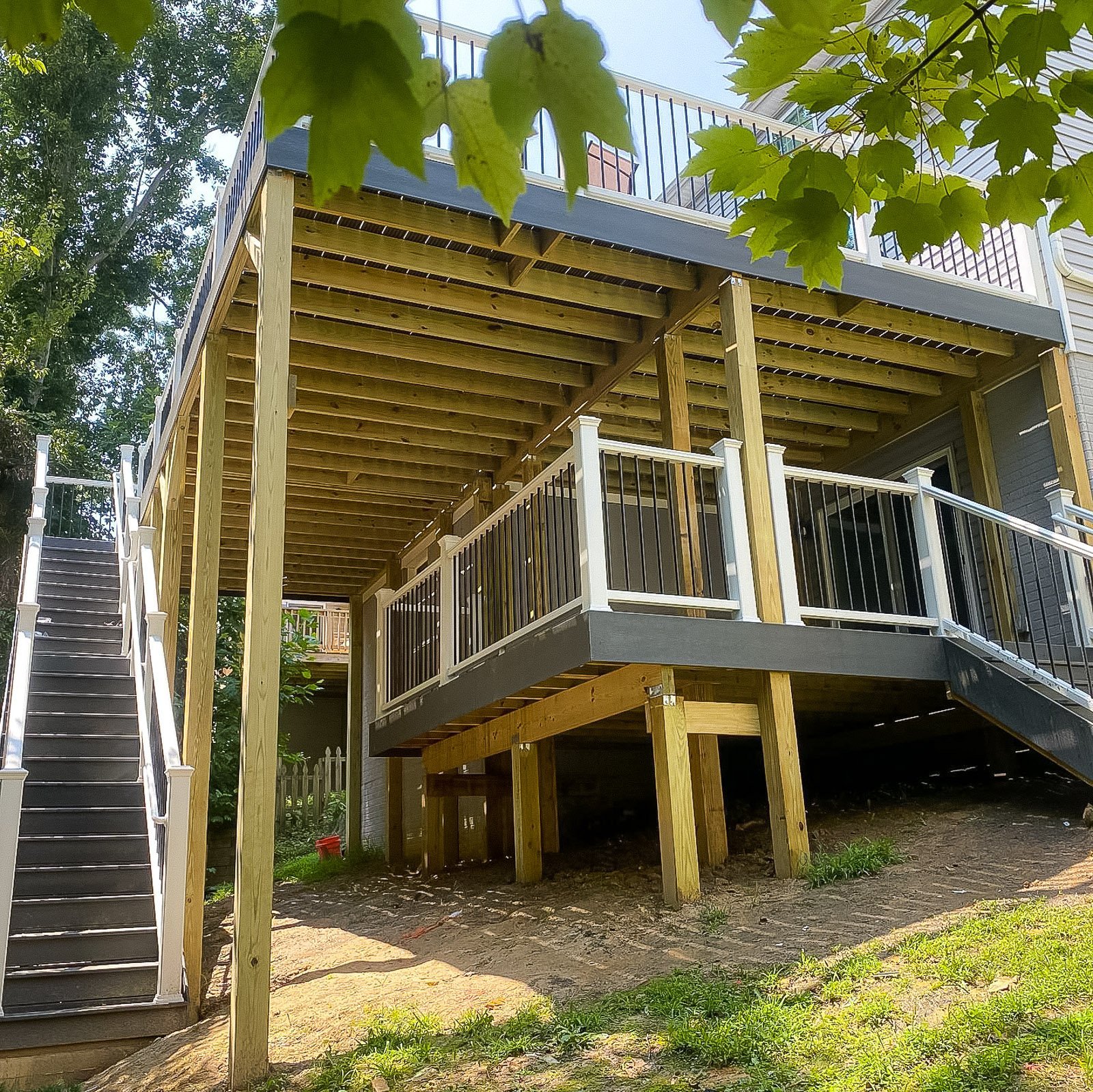
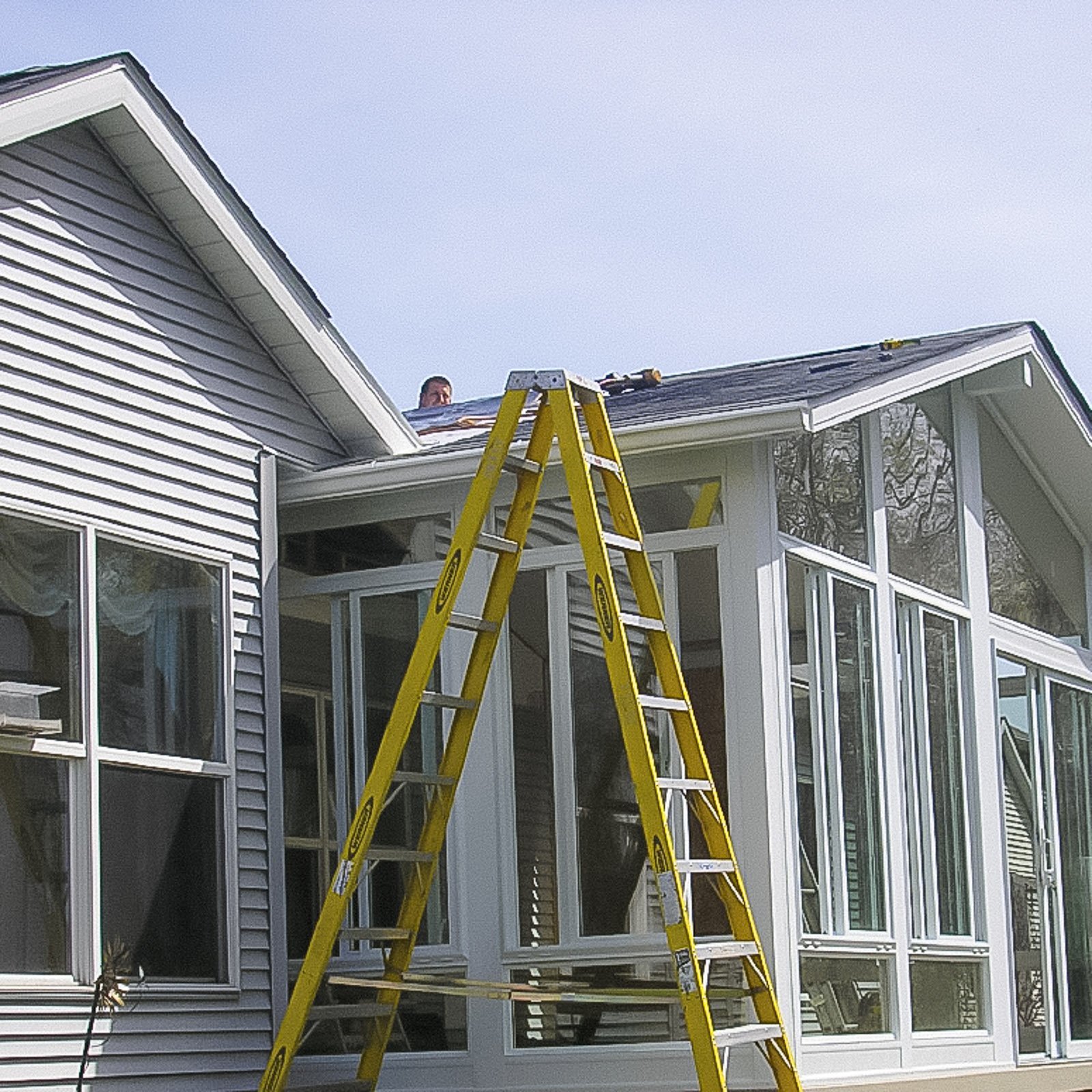
Composite decks are popular because they reduce maintenance while offering a clean finished look. These questions help explain board options, railing choices, trim, framing, and what affects cost.
Material choices affect heat, maintenance, moisture resistance, appearance, warranty, and long-term durability. For enclosed rooms, glass, insulation, framing, roofing, and HVAC planning affect comfort. For decks and outdoor structures, board material, fasteners, ventilation, drainage, and finish quality all matter.
Sometimes. A practical first phase may include the structure, decking, stairs, and required guards, with items such as lighting, privacy screens, a roof, or an outdoor kitchen added later. Future phases should be planned before construction so framing, footings, electrical pathways, and load requirements do not have to be rebuilt.
It can be, especially when lower maintenance, moisture resistance, longer product coverage, or a specific appearance matters. Premium products do not eliminate the need for correct framing and installation, so the upgrade is most valuable when the entire system—including fasteners, ventilation, flashing, and railing—is designed properly.
Pressure-treated wood, capped composite, and PVC can all work well when installed for the site conditions. In humid or coastal settings, moisture management, proper joist spacing, ventilation, corrosion-resistant fasteners, flashing, and manufacturer-approved installation methods are as important as the board material itself.