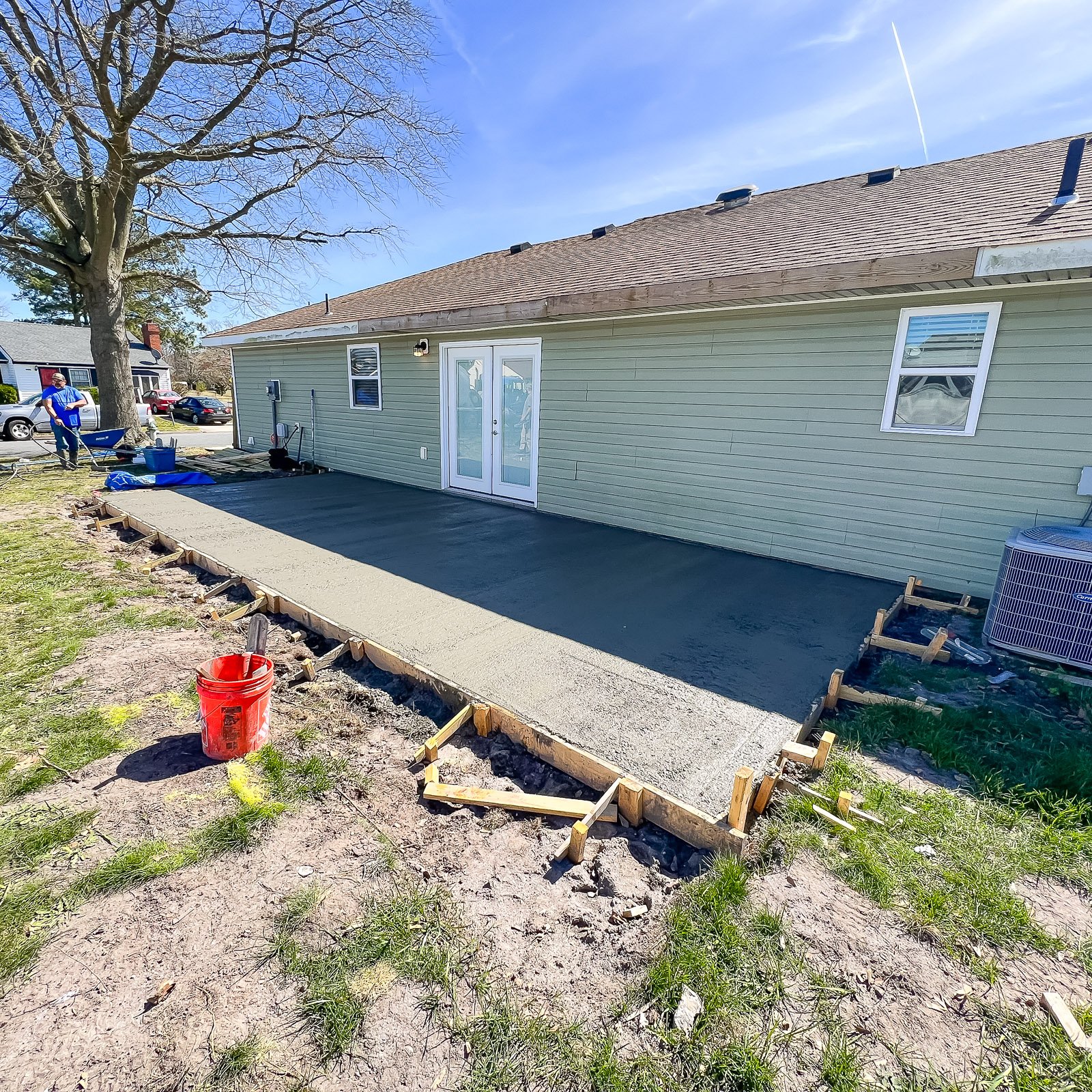
Durable patio surfaces for seating, grilling, and outdoor living.
View concrete patio ideas for seating areas, grilling spaces, walkways, future covers, and durable backyard layouts.






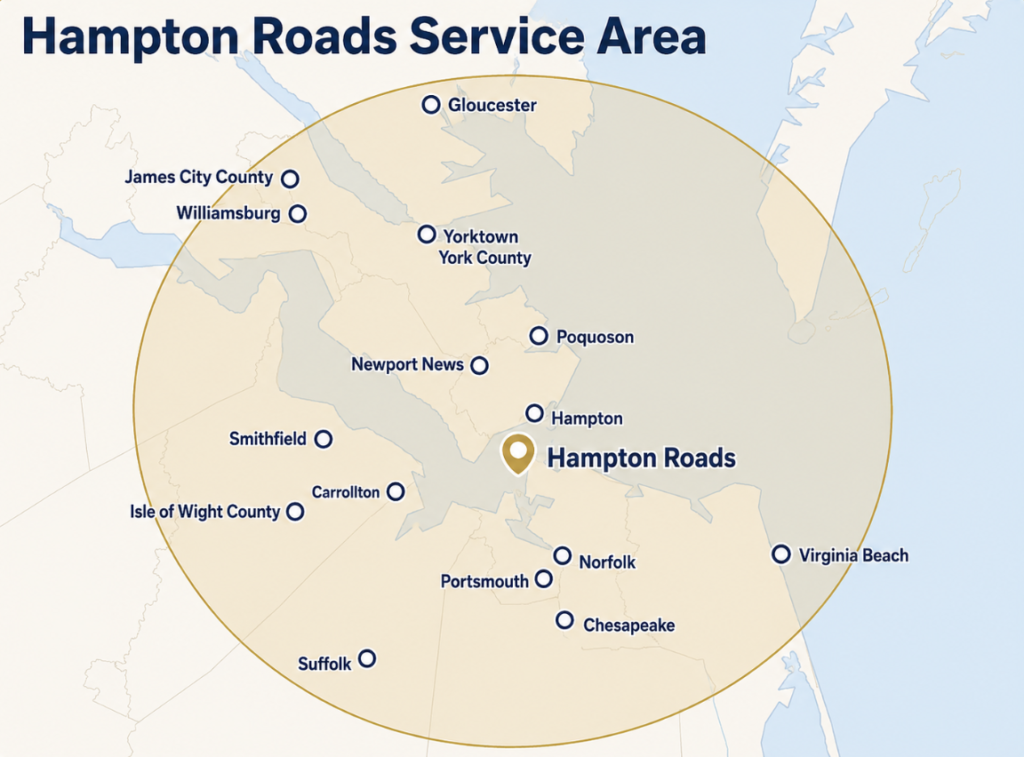
We look at access points, slope, drainage, seating areas, and future outdoor plans.

We determine the shape, square footage, walkways, edges, and connection points.

We prep the area, form the patio, address base conditions, and pour the concrete.

Our team completes the finish, cleanup, and project details based on the approved scope.

The Concrete Patio Contractor plan addresses everything beneath and above the finished surface, including excavation, base preparation, reinforcement, drainage, joints, and texture.
Concrete patios create durable outdoor surfaces for seating, grilling, walkways, and future improvements. These questions help explain layout, drainage, slope, finish, access, and site preparation.
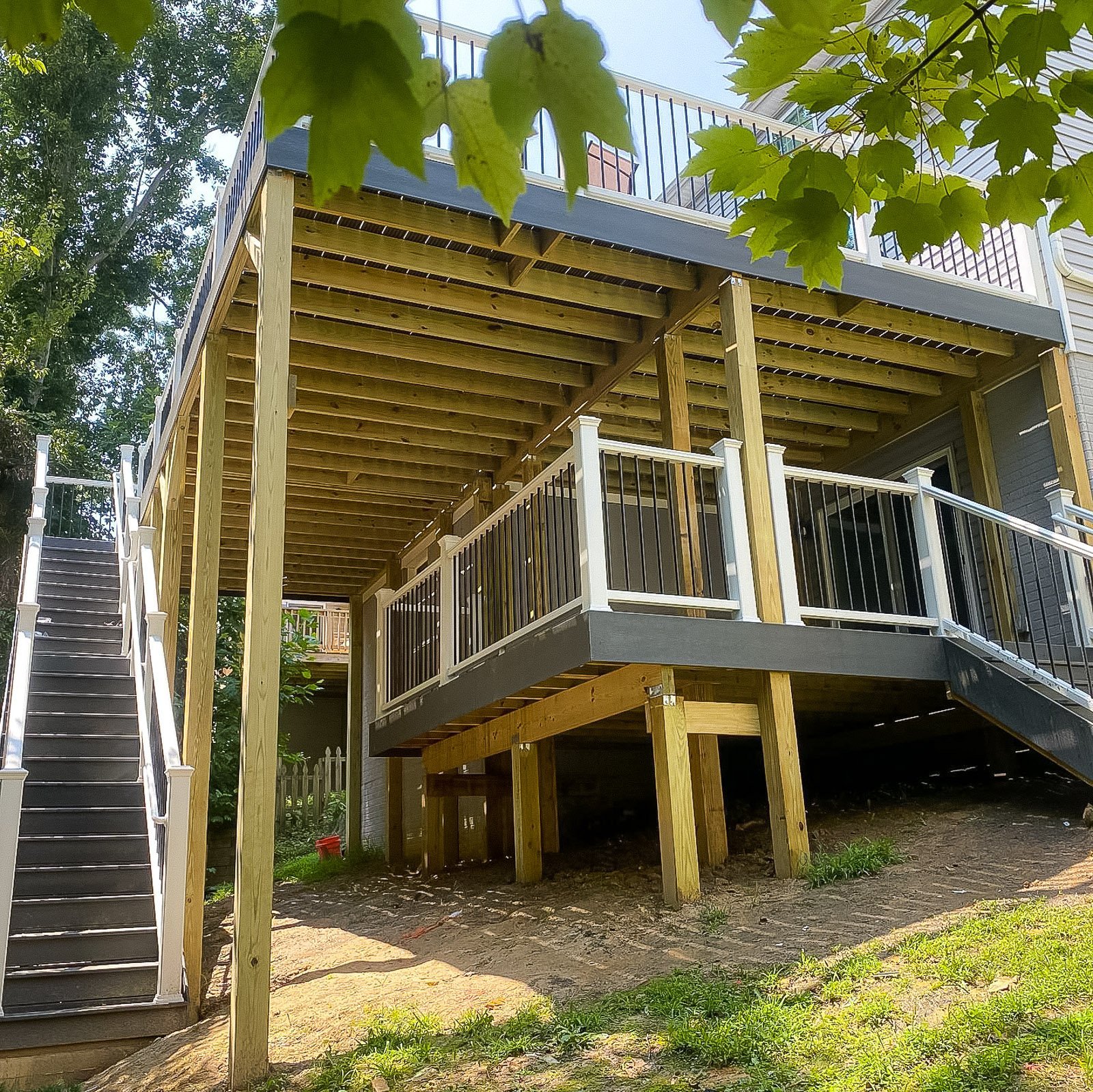
A framed porch or deck works well where elevation, crawl space, or covered construction is needed. Concrete provides a durable continuous surface with many finish options. Pavers offer modular patterns and easier localized repair but require proper base preparation. Drainage, height, appearance, and maintenance should guide the choice.
Both matter, but even a premium product can underperform if framing, spacing, flashing, fasteners, drainage, or sealing are incorrect. Manufacturer instructions and local code must be followed as a complete system. Product selection should be paired with experienced installation and documented inspections where required.
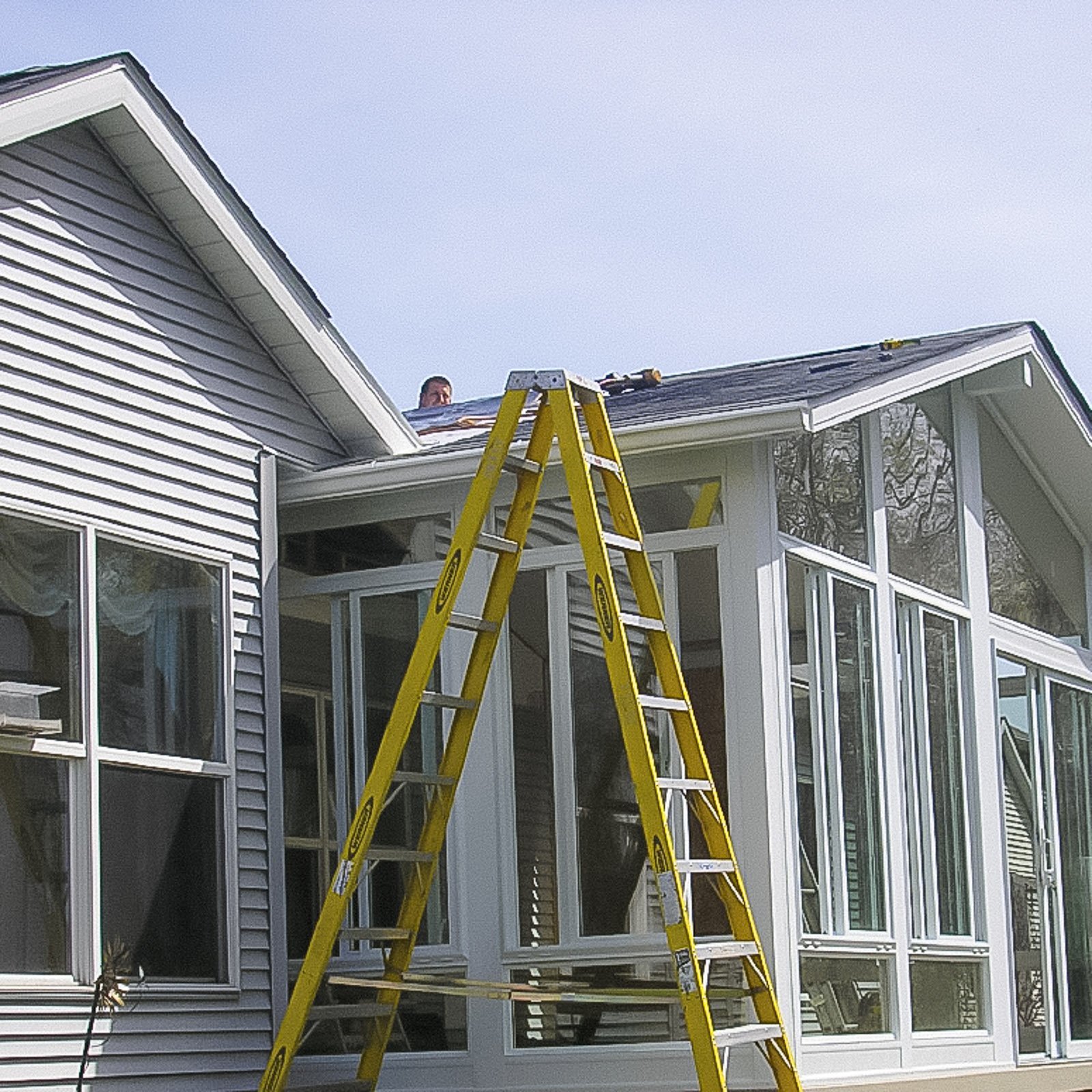
Yes. Screens, fans, lighting, heaters, kitchens, and future enclosures can affect column spacing, circuits, ventilation, footings, and roof design. Planning these features before concrete or framing is installed can prevent costly cutting, surface wiring, or reinforcement later.
Structural porches, covered patios, stairs, and many attached outdoor structures usually require zoning and building approval. A simple uncovered patio may have different requirements, but grading, lot coverage, easements, drainage, and historic or HOA rules can still apply. The local authority should be checked before work begins.