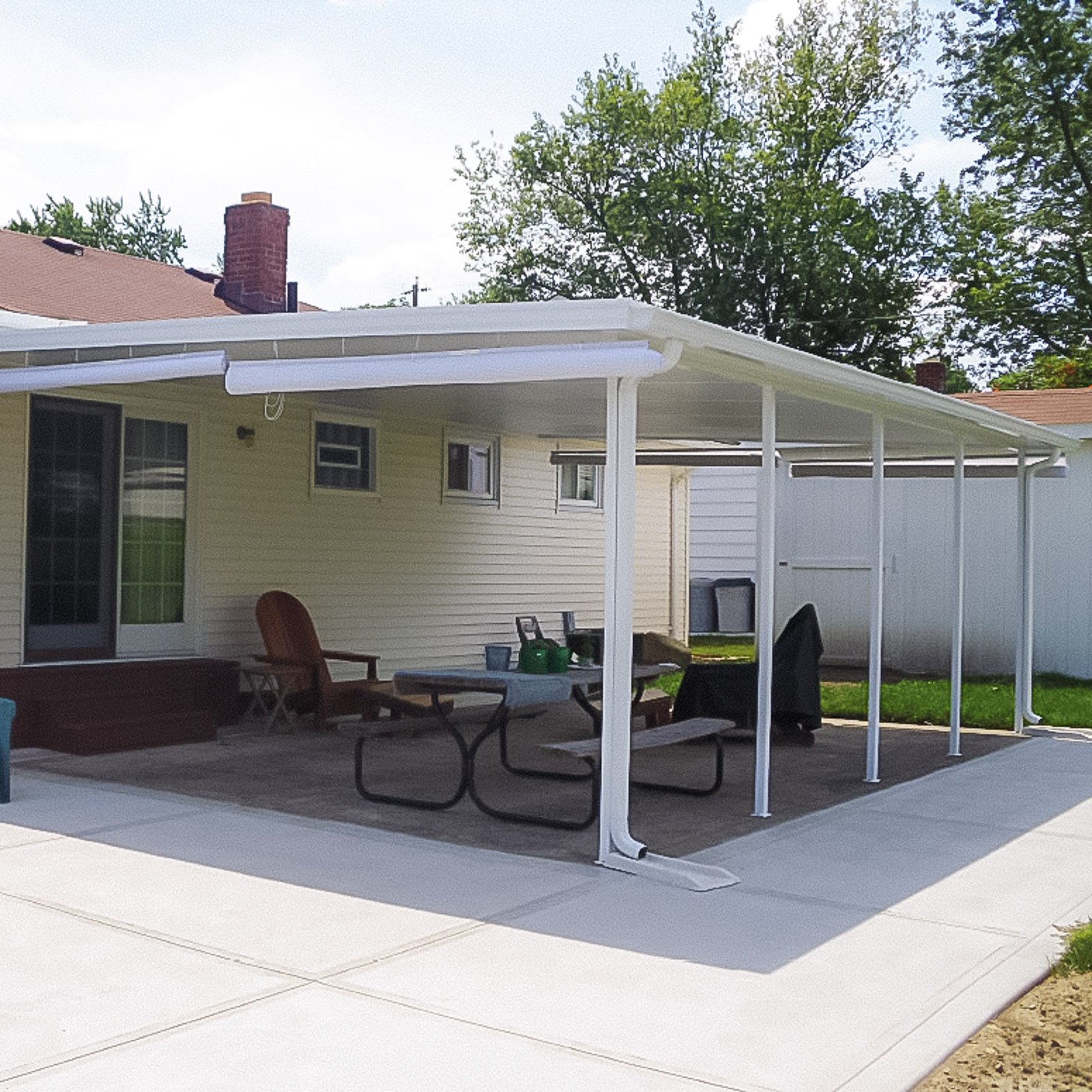
Shade, privacy, and bug protection when you need it.
View motorized screen ideas for covered patios, porches, decks, and outdoor rooms that need flexible privacy, shade, and bug protection.





We look at the covered patio, porch, deck, or outdoor room where screens will be installed.

We decide screen locations, mounting conditions, privacy level, operation, and control options.

We review color, screen type, power needs, wind exposure, and finish direction.

Our team installs the motorized screen system and reviews operation once complete.
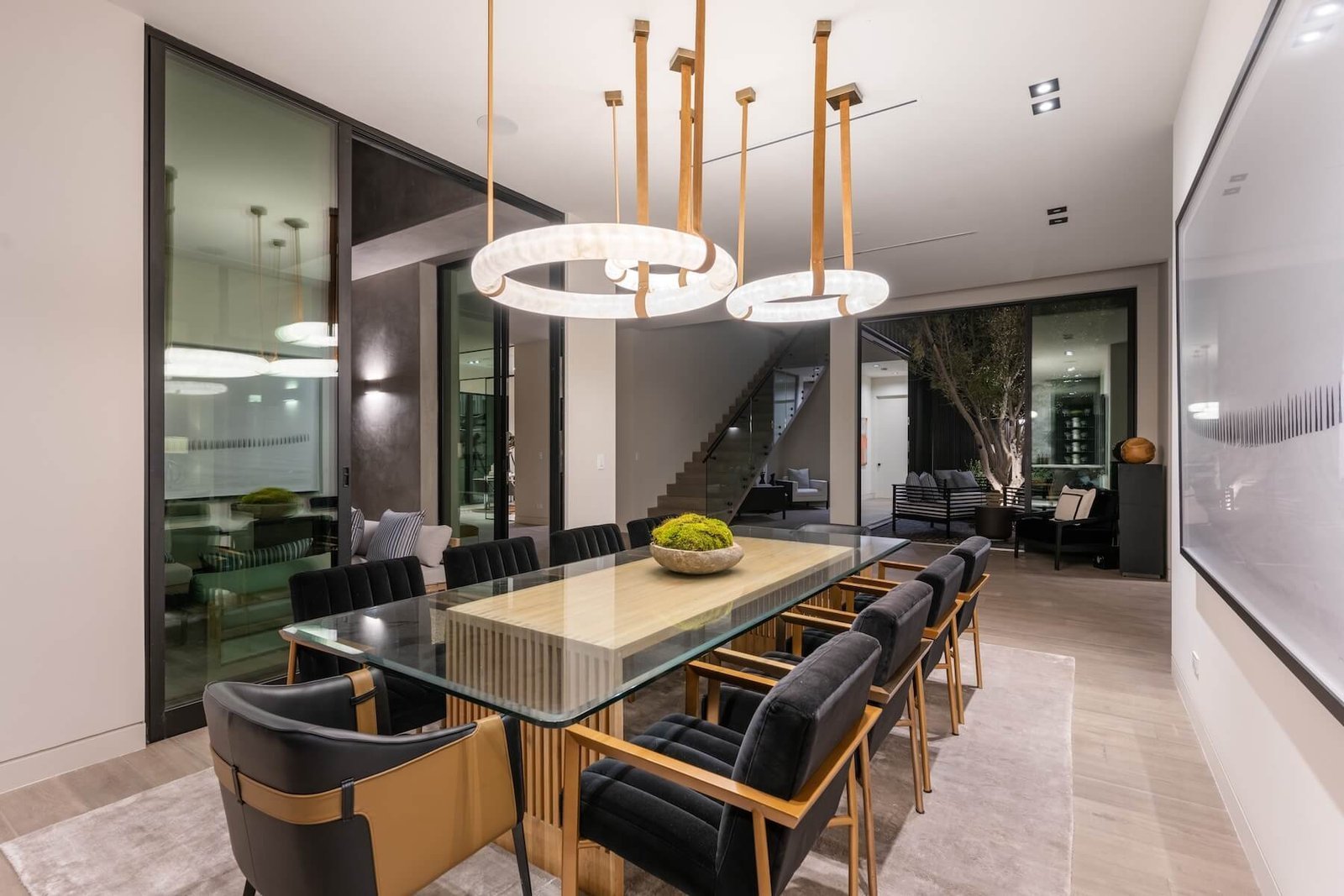
A Motorized Screen System Contractor coordinates the screens with the surrounding structure, electrical service, controls, tracks, and openings for smooth everyday operation.
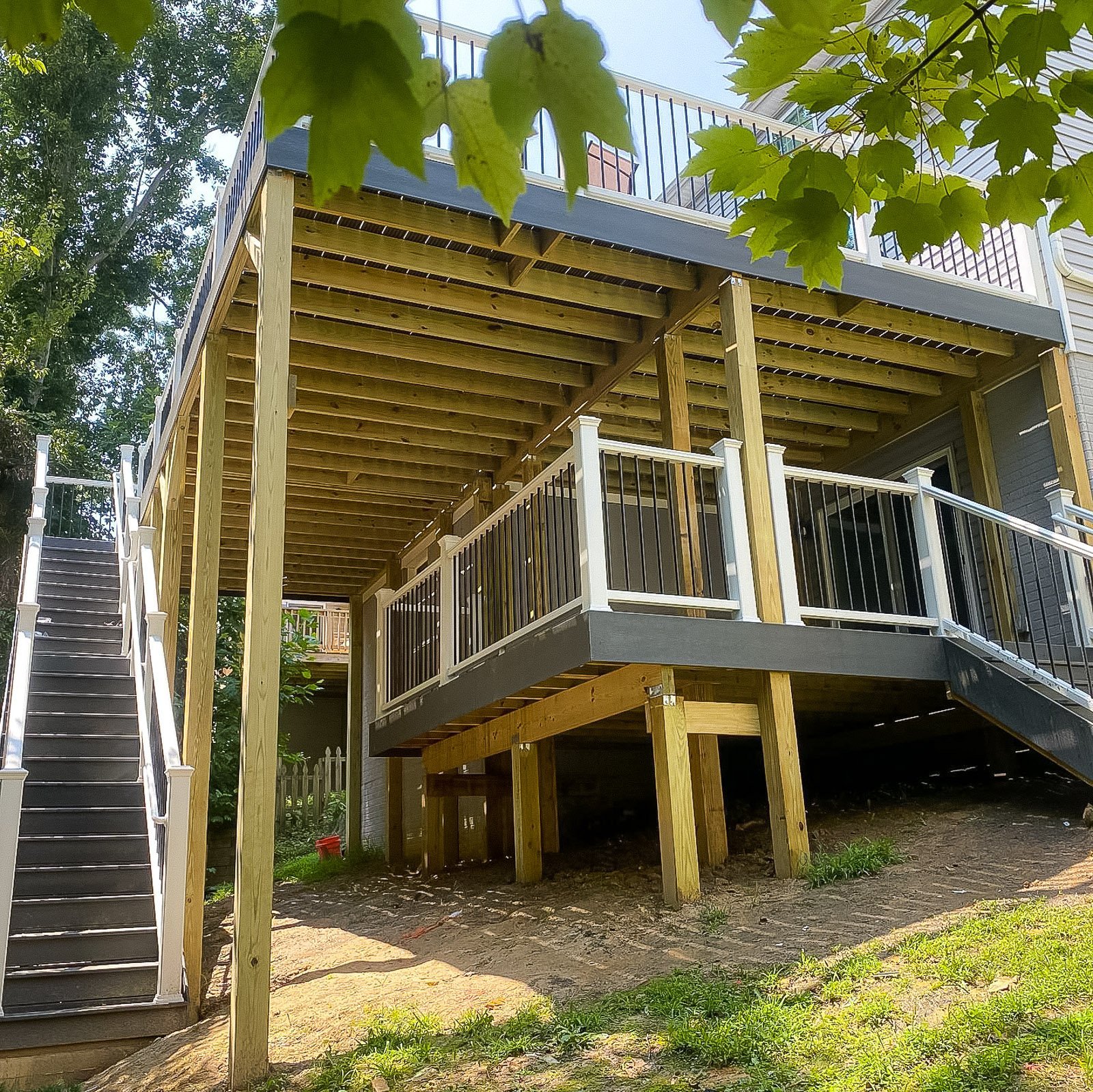
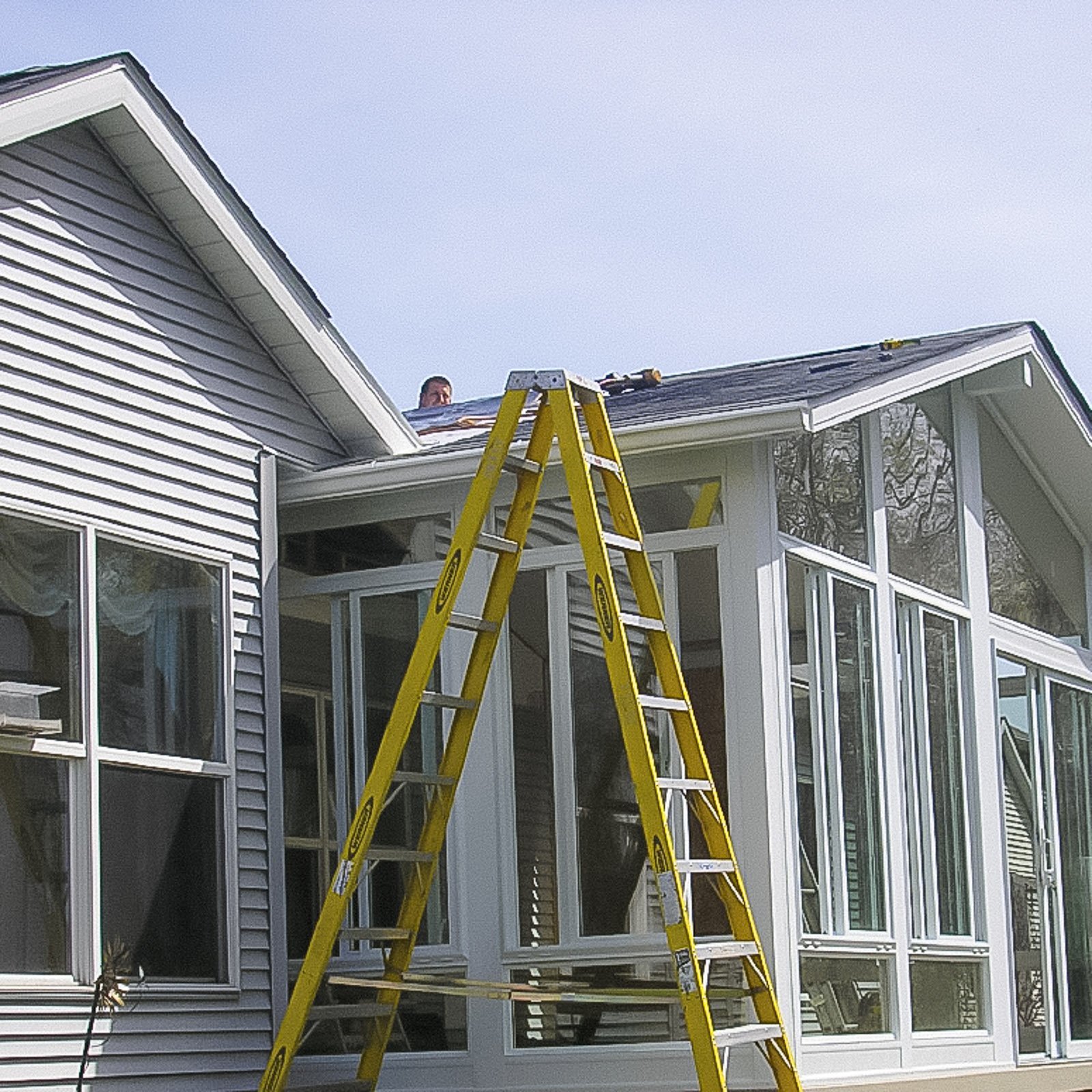
Motorized screens add privacy, shade, and bug protection when needed while keeping outdoor spaces open when raised. These questions help explain openings, mounting, controls, wind exposure, power, and screen options.
Many decks, porches, sunrooms, screen rooms, enclosures, and roofed outdoor structures require zoning approval, building permits, or both. The exact requirements depend on the locality and scope. ModExt can identify the likely permit path, but the final requirements are determined by the city or county reviewing the property.
Yes. These features may affect beam size, electrical circuits, mounting locations, ventilation, clearances, and footing design. Planning them before construction allows wiring and support to be concealed and helps avoid surface-mounted additions or structural modifications later.
Expect site preparation, deliveries, demolition when required, structural work, inspections, installation, finish work, cleanup, and a final walkthrough. Access to parts of the yard may be limited, and weather or inspections can affect the sequence. ModExt will communicate major schedule changes and items needing homeowner decisions.
Start with how you want to use the space, the months you want to use it, your budget, and the existing structure. A deck provides open-air living; a screen room adds insect protection; an enclosure extends seasonal use; a four-season sunroom adds conditioned space; and a patio cover or pavilion provides shade and rain protection.
Prefer to talk now?
Call us at (757) 600-5100
Prefer to talk now?
Call us at (757) 600-5100
Tell us a little about your project, and our team will help you understand the best next step.